Developing Character

facesJune 20, 2014.  Prompt #50

To write effectively about characters, it’s crucial to thoroughly develop their fictional lives. Once you have a clear sense of who they are, you’ll be able to better write dialogue for them and describe their gestures, expressions, and habits. How does your character entertain herself, how does he dress, what does she like to eat? Even though you won’t directly incorporate every fact you develop for your character, establishing a strong background deepens all facets of your story.

Instructions

  1. Choose a character from a story you are writing. This exercise can also work for a non-fiction essay.
  2. In a few words or single sentence, answer the 20 questions below about your character. Feel free to change pronouns or details accordingly. Write for 20 minutes.
  3. Here are the questions:
  • Your character’s most prized personal possession is
  • Your character’s favorite color
  • Your character’s favorite holiday
  • Person he loves the most
  • Friends she most respects
  • What people like about her
  • His greatest fear
  • Cruelest thing she has ever done
  • What he most regrets
  • Is she a planner or spontaneous?
  • Her fantasy is to…
  • The most damaging this that ever happened to him was
  • How much money does she have in her savings account
  • He brags about…
  • She is afraid that people will find out…
  • He lives in an apartment, condo, tract house, farm house, restored bungalow, on the streets, or ….?
  • What he most dislikes about his appearance
  • Her most treasured memory
  • He drinks what kind of beer, wine, or juice?
  • The only thing she ever stole was…

Further Writing

  • Expand one of your answers above. Write a 10-minute short prose piece.
  • In your short prose piece, circle 20 words that stand out for you.  Shape these words into a poem, adding additional words as needed.

Variations for Writing Groups

  1. Each writing group member writes down two questions about a character at the top of a blank sheet of paper. For instance, What is the one thing your character does secretly? Describe their pet. or She will lie when…
  2. Mix up the papers and then choose one at random.
  3. Write a one paragraph response to each question. Write for 20 minutes.

Looking ahead

Two of next week’s prompts will focus on editing and revision.  To prepare, find a story, poem, or essay to revisit.  You can use a rough draft or a polished piece with which you are willing to experiment.


Picture {Postcard} Perfect

June 19, 2014.  Prompt #49

denver2Today’s prompt may take you to places unknown.

Have a marvelous journey.


Instructions

  1. Do you have a collection of old travel postcards?  If so, choose one for this prompt.
  2. If not, in Google image, Flickr, or another image search, type “travel postcards.” Choose a postcard image from it.
  3. Write down thoughts and sensations inspired by the postcard. Write for 10 minutes.
  4. Rewrite your last line on the top of a new page. Write for 15 minutes.

Further Writing

  • Postcards are known for limited space.  Write a haiku elicited by the postcard.
  • Imagine you sent this postcard. What would you have written on the back? Who would you have sent it to? What would you have told them to console them, to lure them, or to make them jealous?

Variations for Writing Groups

  1. Postcards often offer a candy-coated version of what they depict. Write a short prose piece (200 words or less) either building on this lie or debunking it. Start the piece with three adjectives in a row.
  2. Bring a postcard to your group and have everyone write a poem or short prose piece based on it. Write for 10 minutes.
  3. Share your work. Do common themes emerge?
  4. Repeat the prompt with another postcard.

Next Week

Two of next week’s prompts will focus on editing and revision.  To prepare, find a story, poem, or essay to revisit.  You can use a rough draft or a polished piece with which you are willing to experiment.


Streets and Neighborhoods

June 18, 2014.  Prompt #48

hettieI’ve been reading the intriguing memoir How I Became Hettie Jones.  A poet, story-writer, and the first wife of Amiri Baraka, Hettie Jones offers fresh, non-glorifying insights of her Bohemian years in New York City as part of the male-dominated Beat Generation. The book’s sections have titles such as Morton Street, Twentieth Street and Cooper Square, all neighborhoods in New York. For today’s prompt, we’ll look at your own personal history of streets and neighborhoods.


Instructions

  1. Choose a street or neighborhood from your past. It may be one in which you lived or one you frequently visited. (Feel free to work with a fictional setting as well. It may strengthen your overall story, novel or poem.)
  2. For 10 minutes, write down words and short phrases that come to mind when you think of this home or neighborhood. Try to include a variety of recollections — from physical descriptions, to the people who frequented the area, to your state of mind when living there. In addition to the who, what, where, try to catch the vibe of this time in your life. For instance, if I chose my my second home in Boulder, I might write: University Avenue 23 years old. Intermittent irrigation ditch. Worn oak floors.  Four housemates. Minimum wage job. Endless notes plastered on the refrigerator. Walking the neighborhood that first summer evening, enchanted, alive. A time of great possibility.
  3. Read what you’ve written and circle three phrases that stand out for you.
  4. Write one of those phrases on top of a new piece of paper. Write in response to it for 20 minutes.

Further Writing

  • Describe how the home’s physical appearance mirrored or contradicted your experience there.
  • Write about your neighborhood during two different seasons or during two distinct time periods.

Variation for Writing Groups

  1. Walk together in a neighborhood for a half hour, making notes of what you see and hear there. Bring in sensory detail, noting overall impressions and specific details, such as a red door, a broken branch, a water glass left on a stoop, a tricycle in a driveway, a woman weeding a patch of day lilies.
  2. Write a short, fictional account of an interaction of two people (or perhaps a person and an animal) in the neighborhood. Write for 20 minutes.

Reminder: Next Week

Two of next week’s prompts will focus on editing and revision.  To prepare, find a story, poem, or essay to revisit.  You can use a rough draft or a polished piece with which you are willing to experiment.
 

By The Sea

June 17, 2014.  Prompt #47

DSCN0600

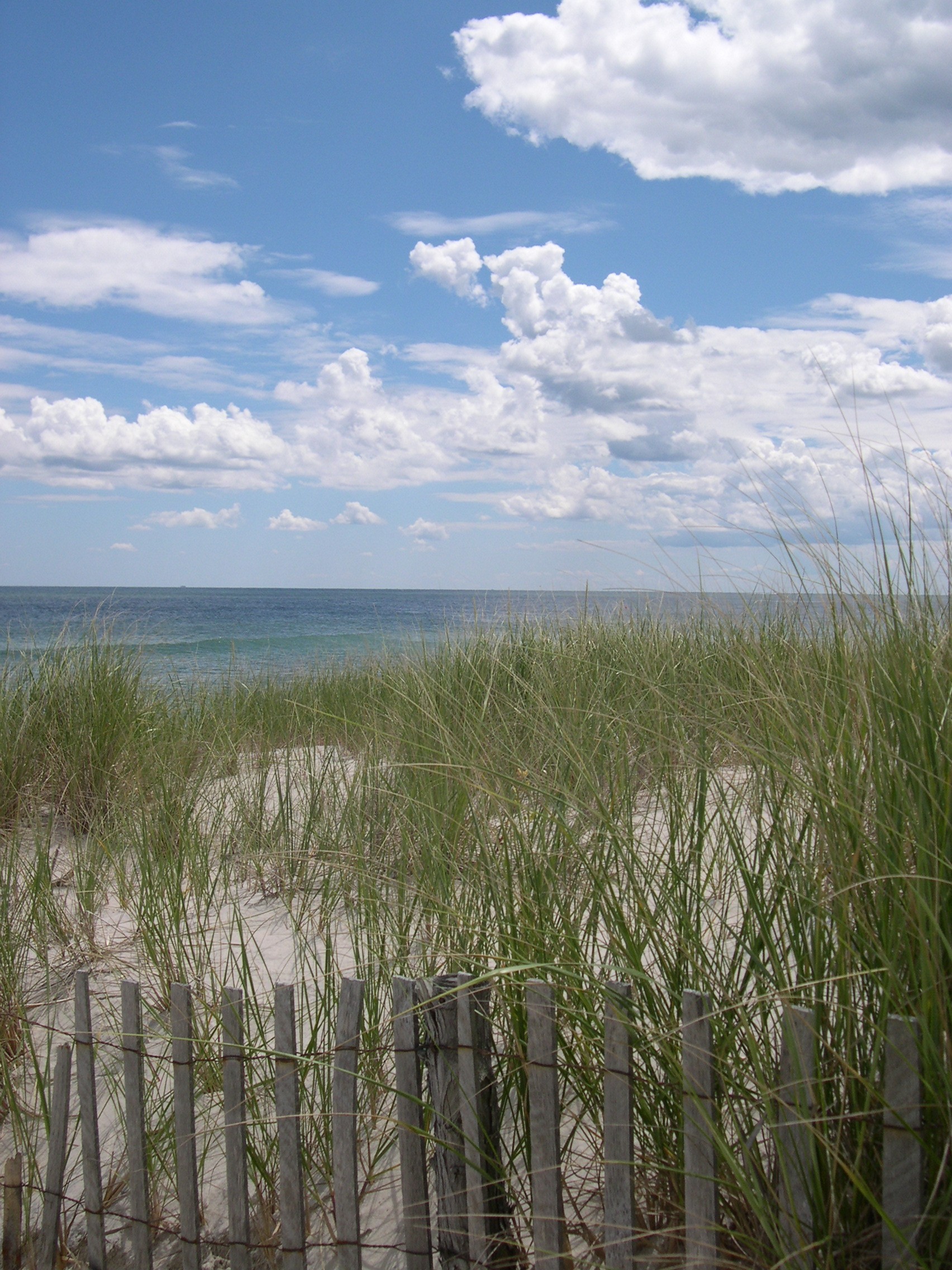
I’ve been steadily editing a novel of mine that takes place at a beach. Even while I am typing away here in landlocked Colorado, much of my brain has relocated to a Jersey Shore beach town circa 1993.

For today’s prompt, therefore, we’ll work with words associated with oceans, bays, beaches and shorelines. May a wave of creativity wash over you.

(For those of you who have been reading this blog closely, you’ll see this is a variation on the post “Plant.”)


Instructions

  1. Choose nine words from this list: bay, beach, boat, bob, breakers, bright, brisk, dive, dolphin, dunes, fish, foot prints, kite, life guard, nap, salt, sand, shell, shore, swim, tan, tide, umbrella, wave.
  2. Using the nine words and others of your own, write a nine line poem.
  3. Write for 9 minutes.

Further Writing

  • Use the same nine words and write a piece that has nothing to do with beaches. Write for 15 minutes.
  • Choose one of the verbs from the list and use it in a poem or piece of short prose nine times. Vary it at least three times, using different forms of the verb.  For instance, if you choose dive, try using also using dives, diving, dove, or diver. Write for 15 minutes.

Variation for Writing Groups

  1. Choose one or two words from the list which are both noun and verb. Play with those combinations in a short piece. This is a chance to use repetition in a deliberate way. Write for 15 minutes.
  2. Choose words from the lists that have more than one definition, such as wave, bob, shell, or tan. Write a piece that makes use of their multiple meanings.
  3. Read your writing out loud. What do you notice about its rhythm and pacing?

Next Week

Two of next week’s prompts will focus on editing and revision.  To prepare, find a story, poem, or essay to revisit.  You can use a rough draft or a polished piece with which you are willing to experiment.

 

Thirteen

June 13, 2014.  Prompt #44

IMG_1208


In honor of Friday the 13th, here’s a lucky writing prompt.

Instructions

  1. Write about a superstition that you believe in, don’t believe in, or are on the fence about.
  2. Write for 13 minutes.

Further Writing

  • Make up a superstition. Give it history or cultural background.
  • Write convincingly why we should believe in a superstition that, in reality, you don’t take seriously. Or the opposite.

Variation for Writing Groups

  1. On index cards, write a short description of an existing superstition or one you’ve constructed. For instance, It is unlucky to walk under a ladder. It is lucky to see two magpies together. If it rains on your eighth birthday, you will be prosperous in life.
  2. Place the cards face down. Choose one randomly and write about a character who challenges the superstition. Write for 13 minutes.
  3. Research superstitions from cultures not your own. Write about one for 13 minutes.

13ballFinally, if you drop your pen while you are writing, spin it 3 times on the floor while repeating the word “demiurgic” the entire time it is spinning. This will welcome back the creative spirits.


Plant

June 11, 2014.  Prompt #42

garden bed

For the last six weeks I’ve been working on my flower bed, vegetable garden, and planters. Spring gardening is annual ritual that is sometimes hectic as I work to get soil turned and amended, seeds and seedlings planted, and everything watered in between bouts of rain and sometimes snow. Mostly, though, it is just plain joyous to get my hands in the soil and start the starts off on their new lives.

For today’s prompt, we’ll work with words associated with plants and planting. May your writing bud and blossom!

Instructions

  1. Choose nine words from this list: bed, beet, bloom, bury, dig, dry, fruit, iris, leaf, peas, pepper, pollen, rain, rock, root, seed, soil, sow, sprout, squash, stem, sun, trim, turn, water, weed, wilt.
  2. Using the nine words and others of your own, write a nine line poem.
  3. Write for 9 minutes.

Further Writing

  • Use the same nine words and write a piece that has nothing to do with gardening. Write for 15 minutes.
  • Choose one of the verbs from the list and use it in a poem or piece of short prose nine times. Vary it at least three times, using different forms of the verb.  For instance, if you choose dig, try using also using digs, digging, dug, or digger. Write for 15 minutes.

Variation for Writing Groups

  1. Choose one or two of the words from the list which are both noun and verb. Play with those combinations in a short piece. This is a chance to use repetition in a deliberate way. Write for 15 minutes.
  2. Choose words from the lists that have more than one definition, such as bed, pepper, or iris. Write a piece that makes use of their multiple meanings.
  3. Read your writing out loud. What do you notice about its rhythm and pacing?


Champs Elysees

June 10, 2014.  Prompt #41

dance4

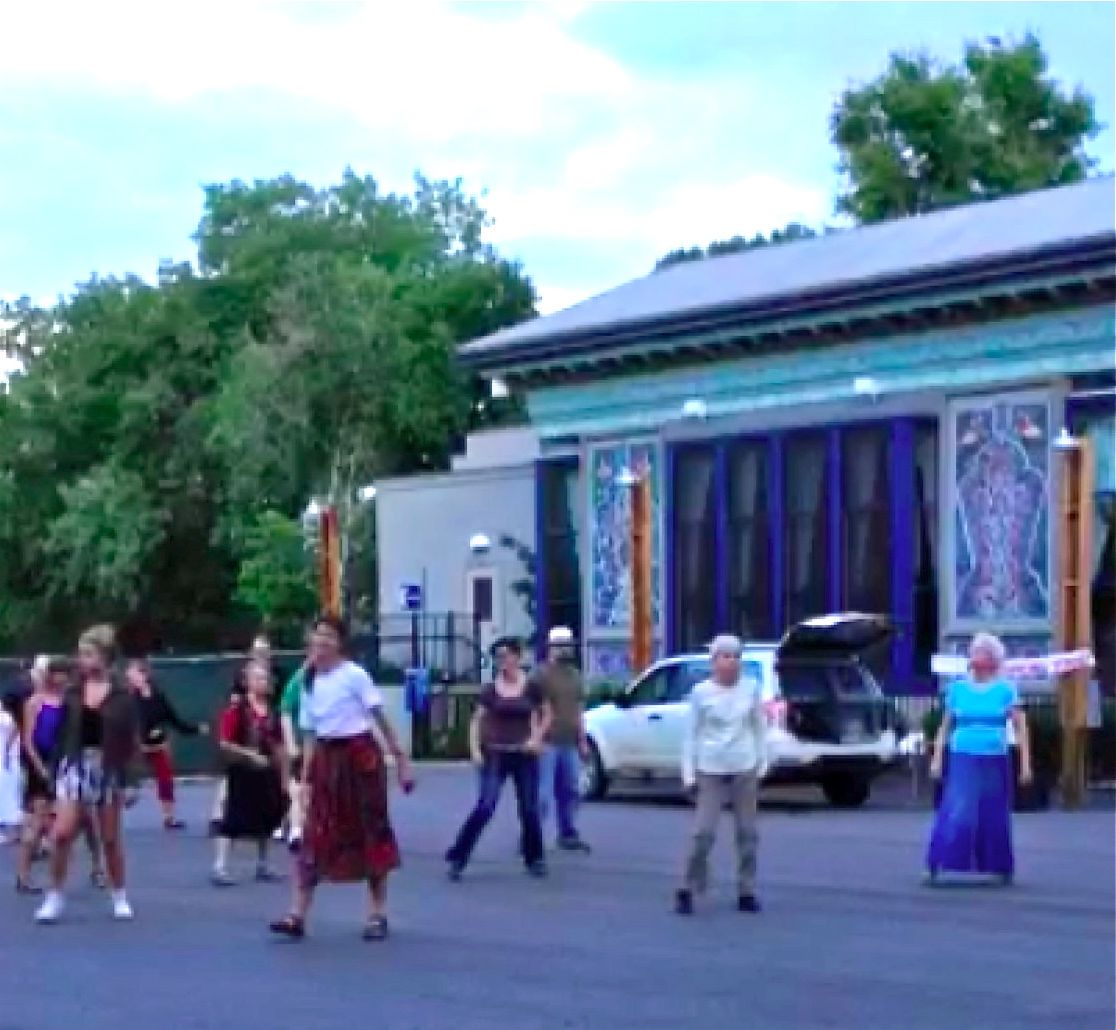
When I left work  tonight, I came across a group of folk dancers in the plaza next to my office. They were learning the “Champs Elysees” line dance. The old-school music, the French lyrics, and the dusky setting combined for an unexpected summer moments: a mix of happiness and wistfulness, connection and separation. Unfortunately, I can’t load the video onto this post, only this screen capture.  (To get some sense of the music, click this link.)


Instructions

  1. Think of (or make up)  a time that you encountered something unexpected. Write about how it changed the moment, the day, or something more for you.
  2. Describe your emotional and physical state before, then during, then after the event.
  3. Write for 15 minutes.

Further Writing

  • Write about participating, either enthusiastically or reluctantly, in a group event such as a folk dance, pick-up basketball game, or religious service. Write for 15 minutes.
  • Write about a summer night when you felt connected to others around or one when you felt far apart. Write for 20 minutes.

Variation for Writing Groups

  1. Write down song lyrics that feel  like a “sound track” of summer and share it with the group. If possible, bring a recording of the song to your writing group.
  2. Share the lyrics or play the song for the group as members write their impressions and associations as they listen to the music.
  3. Repeat the prompt with other songs/lyrics from other group members.
  4. Write for 20 minutes.


Breaking News

telegramJune 9, 2014.  Prompt #40

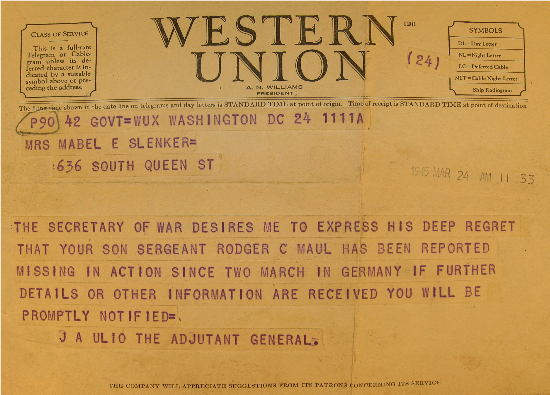
I just finished binge watching marathon viewing four seasons of Downtown Abbey. The very first episode opens with a close-up of a telegraph in motion, complete with taps and beeps as the operator sends a message. The telegraph not only grounds the story in history (in this case, 1912) but also conveys the urgency of the news being sent.

Instructions

  1. Write a piece that begins with the delivery of news.
  2. Start with an object of communication, for instance, a television, computer, or newspaper. You could choose a newer form of communication, such as an email, text, or Skype call, or one from the past—a telegram, letter on the Pony Express, or a phone call on a party line.
  3. Next, choose a message to be delivered. What does the message say? Who sends it? Who receives it? Who announces it? Who hears it?
  4. What happens next?

Further Writing

  • If you wrote about bad news, write a second version with good news or ambiguous news. If you wrote about good news, try making it disturbing or unclear. What is the effect on the tension, tone, or pacing of your piece?
  • Slow down the action. Record in detail the moment that the news is received. Describe in detail in the surroundings, the sounds, the smells and the textures.

Variation for Writing Groups

  1. On an index card, write two messages in the style of a telegram: clear and concise.
  2. Place the cards in the middle of the table. Either deliberately or at random, choose one and write in response to it. Write for 20 minutes.


Inspiration Everywhere: Poetry and Prose Readings

Thomas Sayers Ellis  (photo by Lynda Koolish)

Thomas Sayers Ellis (photo by Lynda Koolish)

June 6, 2014.  Prompt #38

On Thursday night, I attended an outstanding reading at Naropa’s Summer Writing Program. It featured Lee Ann Brown, Thomas Sayers Ellis, Rebecca Brown, Norma Cole, and Eleni Sikelianos.  Over the next month, I’ll talk more about all these writers and how their work might inspire you.

If you’ve never been to a reading, check with local book stores, libraries, coffeehouses, or colleges to see if they sponsor or know about readings in your area. If there aren’t any near by, start your own.


Introduction

For today’s prompt, we’ll look at Thomas Sayers Ellis poem “Or”  

Or

Or Oreo, or
worse. Or ordinary.
Or your choice
of category

or
Color

or any color
other than Colored
or Colored Only.
Or “Of Color”

or
Other

or theory or discourse
or oral territory.
Oregon or Georgia
or Florida Zora

or
Opportunity

or born poor
or Corporate. Or Moor.
Or a Noir Orpheus
or Senghor

or
Diaspora

or a horrendous
and tore-up journey.
Or performance. Or allegory’s armor
of ignorant comfort.

or
Worship

or reform or a sore chorus.
Or Electoral Corruption
or important ports
of Yoruba or worry

or
Neighbor

or fear of…
of terror or border.
Or all organized
minorities.

From Skin, Inc. Identity Repair Poems  Grey Wolf Press

This poem astonished me because, like the conjunction “or” from which it takes its title, it knits together sound, language, history, academia, and all kinds of assumptions. Yet even as the role of conjunctions is to join words, the conjunction “or” also separates. It requires you to choose one over another.  Ellis uses the word or as the core of the poem, then builds on it by incorporating dozens of words containing the letters or and other words with the or sound. The words, sounds, their meanings, and their associations all build upon and play off of one another. “Or” is filled with strong and specific nouns and proper noun yet still open to the reader’s own experiences.

Instructions

  1. Choose a short word, perhaps a conjunction or preposition since they, by their nature, suggest connection and relationship. Some options (or choose your own): and, as, at, but, by, down, for, in, nor, of, off, on, or, out, so, to, up, with.
  2. Write down your word followed by words or phrases containing the letters of your word. Also write down words that share the sound of your word. Try using rhymes and near-rhymes too.  For instance, if you chose “so,” you might write sew, sow (as in the female pig or planting seeds) soap, south, social, sole, soul, son, some, sort, song, soft, stow, insulate, insolate, insolent, desolate, insomnia, resolute, also, miso, torso, verso, gesso, espresso, snow, manifesto, Winslow.
  3. Once you’ve produced a list of 30 or more words, read through them and circle one or two words or phrases that resonate for you.  Then choose twelve more words that have a connection, either in meaning, sound or “energy” to your core word.
  4. Next, pull it all together and write a poem, a story, a soliloquy, a declaration, or an intricate question.  Include your initial set of words, add more, toss some, and keep coming back to your core word. Don’t worry about making sense or being logical.  Your work may be serious, playful, dreamy, angry or a mix of these. Its larger meaning or story may emerge quickly or it make take a few drafts bring out connections.

Considerations

  • For this prompt, think about sound and meaning. For instance, if you choose “so,”  you might feel connected to the word South because it contains so and because an abbreviation of south is So.  On the other hand, because so and south don’t sound alike, if you intend to read your work out loud (and you should), the pairing of so and south may not strengthen your piece.
  • Sometimes prompts such as this develop into a solid poem or story. In other cases, you may generate a single phrase or sentence that stands on its own and is the springboard for a new piece. Whatever you create, this prompt will help you think about sound, connections, and the nature of language.

Inspiration Online [Part II]

Agnes Long Fox [Sioux, 1914-1984]

Agnes Long Fox [Sioux, 1914-1984]


June 6, 2014.  Prompt #37

Today we build on yesterday’s visit to the Smithsonian’s image gallery If you haven’t read my June 5th post, do that now. Today’s prompts build on yesterday’s images.


Further Writing

  • Project yourself into the image you are viewing. Write for 10 minutes. Does this change your point of view or what you write about?
  • For ten minutes, write a visual account of the image, noting details and relationships between the parts of the painting, print, or photo. Did you notice anything new?

Variations for Writing Groups

  1. Print out your image or be sure you’ll be able to bring it up on a laptop or tablet.
  2. Looking at your image, use your imagination to answer these questions. What sounds do you hear or associate with the image? What smells?  Propel yourself into the image, then “touch” part of it.  What textures and temperatures do you feel? Is there anything in it you could taste? If so, describe it. If the image is abstract, this is an especially good opportunity to flex your creative muscle.
  3. Go together to a museum or gallery. Plant yourself in front of an artwork and write for 20 minutes. Note: Get permission from guards or gallery owners first. They might ask you to write in pencil or have other requirements.