Super Star

June 30, 2014  Prompt #59

star night

Today’s prompt follows up on yesterday’s Sunday Shape-Up which starred stars.

Further Writing

  • Use one of these phrases as your prompt: Gold Stars. Hollywood Star. Star struck. Starburst. Star of David. Star of Bethlehem. Star-crossed.
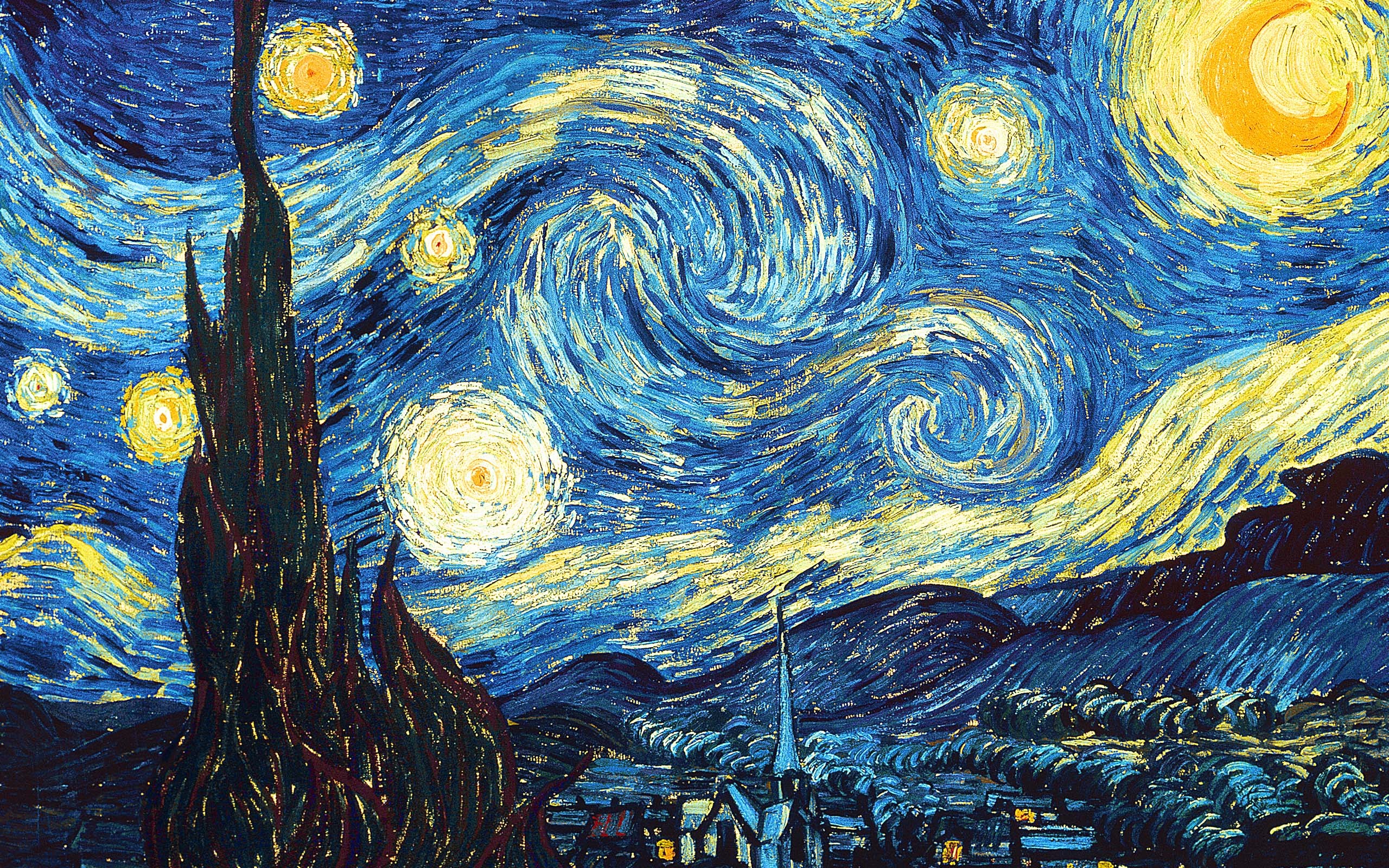
  • Write in response to the painting Starry Night by Vincent Van Gogh. Imagine you are in the painting. Imagine you are painting the painting.


Variations for Writing Groups

  1. If you meet at night, find a safe but dark area from which to view the sky. Without writing, look at the stars for 5 full minutes. Then, using the minimal amount of light needed, write down impressions and sensations.
  2. Repeat.
  3. Inside, follow-up by circling a favorite phrase from your notes and using it as your first line. Write for 20 minutes.
  4. If it isn’t possible to see the night sky during your writing group, look at a photo of the night sky here. Choose one of the photos and write in response to it for 20 minutes.


Sunday Shape Up: Star

June 29, 2014  Prompt #58

star

This week’s Sunday Shape-Up lets you shine like the star you are.

Instructions

  1. For 10 minutes, jot down phrases, dialogue and images that come to mind when you hear the word star.
  2. Re-read what you’ve written and circle a phrase or sentence that stands out.
  3. Next, underline a phrase that feels awkwardly written, difficult, or otherwise problematic.
  4. Write both phrases on the top of a new sheet of paper.  Write in response to them for 15 minutes.

Tomorrow: Further Writing and Variations for Writing Groups


Genre Swap

June 28, 2014  Prompt #57

photoTo wrap up revisions week, here’s a playful prompt. See if you discover anything about your writing (or yourself!) with this one.

Instructions

  1. Choose a section of a story or essay you’ve written that is about a page long. Or choose a single piece of flash fiction or a short to medium-length poem.
  2. Rewrite the piece in a different genre. If it is literary fiction, for instance, try writing it in the style of traditional criminal mystery novel. If it is an critical essay, say the same thing in verse. Change a poem into investigative journalism.
  3. Write for 15 minutes.


Further Writing

  • Read what you’ve written aloud. Circle a favorite phrase or sentence. Can it be reworked into the original piece before the genre swap?
  • What style of writing intimates you the most? Try writing in that style — on any topic — for 20 minutes.

Writing Group Variations

  1. Each members fills out three index cards.
    • On the first card, write the name of a genre, such as high romance, free verse poetry, or critical review.
    • On the second card, describe a person or object. (A swimming instructor. A 9-year-old boy. A razor blade. A wooden spoon)
    • On the third card, write the name of a geographic place (Times Square in NYC. Texas Hill Country. A marsh.)
  2. Put the cards into three separate piles — genres, person/object, and geographic place.
  3. Each member draws one card from each pile and, using the genre, person or object, and place, writes for 15 minutes.


Play It Backwards

June 27, 2014  Prompt #56

DSCN6122Today, more random play as we explore ways to re-vision, re-see, and re-imagine our work. This exercise comes from writer and translator T. Begley, from whom I took a writing workshop 20 years ago at The Naropa Institute (that’s what it was called back then).


Instructions

  1. Choose a section of a story or essay you’ve written that is about a page long. Or choose a single piece of flash fiction or a short to medium-length poem.
  2. Retype it or rewrite it backwards.  That is, on a fresh sheet of paper, write the last sentence of the paragraph, followed by the second to last sentence, and so on until you write the original first sentence as the new last sentence.
  3. Read it out loud.
  4. Highlight something that surprised you.
  5. Circle something that has taken on a new meaning with the rewrite.
  6. Underline something that you think could be improved or changed.
  7. Underline a sentence or phrase that particularly speaks to you. Write it on the top of a new sheet of page and write for 10 minutes.


Further Writing

  • Thinking about #4 above, for 10 minutes, write in response to what surprised you. You can continue in the same style (fiction, verse, etc.) or try more of a self-review.
  • Thinking about #5 above, for 10 minutes, write in response to what has taken on new meaning. Again, you can continue in the same style (fiction, verse, etc.) or try more of a self-review.

Variations for Writing Groups

  1. Cut up your original poem or prose excerpt into individual sentences or long phrases.
  2. Swap one each of your sentences or phrases with two other writing group members.
  3. Rearrange your sentences and your newly-obtained sentences into a new piece.

Considerations

If your style or subject matter is feeling stale or repetitious, prompts like this can help you step back from your writing and see it in a new light.


Thursday Thoughts: Trans-Genre

June 26, 2014  Prompt #55

Instead of a prompt today, I’m posing a few writer’s questions. Think about them yourself, ask other writing friends, or discuss your ideas here.

  1. Do you write in more than one genre — for instance poetry, fiction, and essays?
  2. If you write in more than one genre, do you consider yourself, for instance, a fiction writer who dabbles in poetry? Or a poet who writes the occasional essay? Or do you feel equally comfortable in a range of forms?
  3. Are you able to be more playful in the genre that is not your official form?
  4. Within a given genre, do you practice or experiment writing in different styles. For instance, if you write literary fiction, have you tried literary mystery or speculative fiction?

Go back

Your message has been sent

Warning
Warning
Warning
Warning

Warning.


Double Double (Toil and Trouble?)

June 25, 2014  Prompt #54
DSCN5693_2 DSCN5693

Sometimes, a successful story is the result of careful planning, clear outlines, and a well-conceived structure. Other times, random play generates surprising results. For today’s prompt, we are going to play.

Instructions

  1. Choose a section of a story or essay you’ve written that is about a page long. Or choose a single piece of flash fiction or a short to medium-length poem.
  2. Reprint it or rewrite it by starting every sentence on a new line AND leaving two blank lines between sentences. See example below.
  3. In the white spaces between the lines, write new sentences. They can be a logical extension of the existing work or something less directly connected.
  4. Don’t over think this one. But do have fun.

====================================================

Original Paragraph:

“When does a Jew become an adult?” Mrs. Glickenstein asked. “Twenty-one? Eighteen?” Clarissa Wallach and Yackov Winpool raised their hands, but I hesitated.  It didn’t matter: Mrs. Glickenstein answered her own question. “Thirteen. Thirteen is when a boy becomes a man.” Every Jewish kid knows this. Thirteen is the age of Bar and Bat Mitzvah, after which boys are counted in the minyan and can read from the Torah in front of the congregation. For girls, nothing changes, but, let’s face it, Bar Miztvahed boys aren’t adults either. It’s not like anyone of us can drive a car, vote for president , or buy beer the day we turn thirteen.


Prepared Paragraphs for the Writing Prompt

“When does a Jew become an adult?” Mrs. Glickenstein asked. “Twenty-one? Eighteen?”


Clarissa Wallach and Yackov Winpool raised their hands, but I hesitated.


It didn’t matter: Mrs. Glickenstein answered her own question.


“Thirteen. Thirteen is when a boy becomes a man.”


Every Jewish kid knows this.


Thirteen is the age of Bar and Bat Mitzvah, after which boys are counted in the minyan and can read from the Torah in front of the congregation.


For girls, nothing changes, but, let’s face it, Bar Miztvahed boys aren’t adults either.


It’s not like anyone of us can drive a car, vote for president , or buy beer the day we turn thirteen.

====================================================

Further Writing

  • In the blank spaces, write from the point-of-view of a different time period. For instance, if the existing story takes place in the past, write a parallel story in the present. Or write a parallel story from 50 or 100 years earlier.
  • In the blank spaces, write an interior voice.
  • In the blank spaces, write in a distinctly different style.

Variations for Writing Groups

  1. On index cards, write down feelings or emotional states. (For example: doubt, joy, sneakiness, outrage, enthusiasm, uncertainty, distrust, drunkenness, or despair.)
  2. Choose an emotion from the pile and rewrite your sentences in that style. In other words, shift the tone or mood of your original piece.


Considerations

Read over what you’ve written, then make note of anything you’ve learned from the prompt.  For instance, you might discover ways to add depth to your original work. You might realize your original piece needs more sensory details (or fewer) or more summarizing (or less summarizing) and so on.  Overall, prompts like this shake up your work and, in the best of circumstances, give you fresh eyes for revision.



Fresh Perspectives

June 24, 2014  Prompt #53

DSCN3336

It’s revisions week here at The Writeous Sisters, so pull out a rough draft. It’s time for a tune-up!

For this prompt, we shift point-of-view. While you might not incorporate anything you write for this prompt directly into your work, examining point-of-view can give you valuable insights.

Instructions

  1. Choose a work you’ve written from a particular point-of-view. If possible, find a piece with two or more characters.
  2. Rewrite it (or a section of it) from the perspective of another major character in the scene.
  3. Does the work seems richer or more complex with the changes? Any new insights about either character?
  4. Did the rewrite shift attention away from the focus, mood, or purpose you were aiming for or did it strengthen it?

Further Writing

  • Try rewriting from the point-of-view of a minor character in the scene.  If there is no minor character, make one up. Could a child be overhearing an argument? Could a waitress be watching a brother and sister discuss their father?
  • Try rewriting from point-of-view of an animal or an inanimate object. Often, such exercises quickly become contrived or precious but the point here is to deepen the overall piece. If you write a scene in a college cafeteria, for instance, try writing two paragraphs from the perspective of a metal fork and all the food and mouths it encounters.  While you probably can’t base an entire novel on this device (though perhaps a poem or flash fiction) it could be reworked into the thoughts of a character.  Could the confident, wealthy, country-club student suddenly have a revelation about society as he ponders the life of fork?


Expendable Adjectives

(One Day Late for) June 23, 2014  Prompt #52

adj

For most of this week, we’ll be looking at revisions.  So dig up some old writing and get ready to rethink, revise, and re-do.

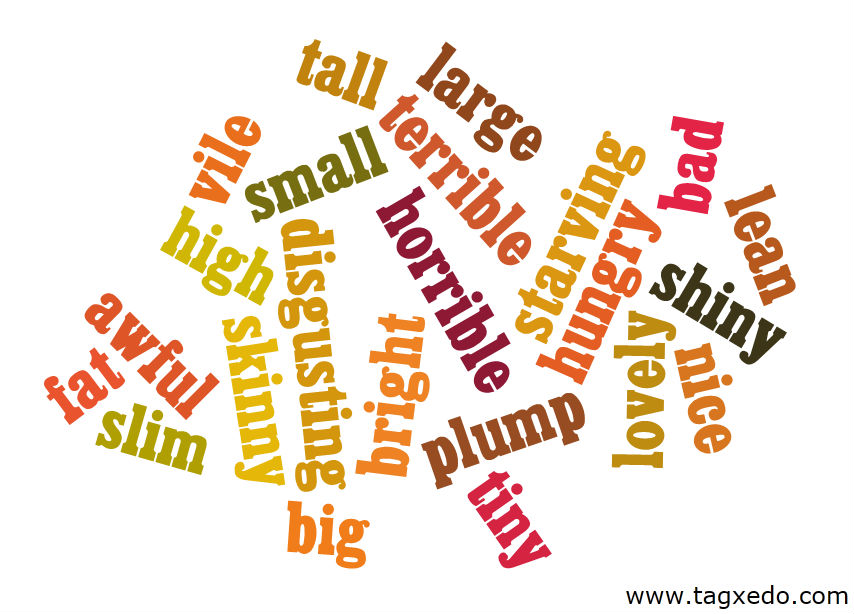
Today we’ll focus on adjectives and adverbs. Adjectives modify nouns. Adverbs modify verbs. They supply your readers with information about the noun or verb. Sounds good, right? And yet…

Instructions

  1. Choose an essay, story, or poem that you’ve written.
  2. With a colored pen, circle all the adjectives and adverbs in the piece.
  3. Can you remove any of these adjectives and adverbs by beefing up the nouns they modify?  For instance, instead of writing tall building, you could write tower or skyscraper. Instead of writing she ran quickly, you might write she sprinted or she raced.

Further Writing

  • Read your piece aloud.  Do any adjectives and adverbs jar its rhythm? Consider cutting them. Read it again. Does the work feel tighter? More agile?
  • Instead of cutting back, double or triple up on every adjective. The slim, skinny, thin man took out his leather, hide, animal skin wallet. Try this for a page or two. Can you create a short piece that uses this technique?

Variation for Writing Groups

  1. On a fresh piece of paper, write down all the adjectives and adverbs from a short story, a poem, or an essay. (Or from the first two pages of any work.) Read them aloud. What tone or emotion do you pick up from them? What do others in your group think?
  2. Trade a short piece of your writing–with all its adjectives and adverbs circled–with a writing partner. Write new, stronger nouns for your writing partner then swap back. Do any of nouns they provided appeal to you?

Even More

Want to brush up on your parts of speech? Try this website.


Sunday Shape Up: Oval

June 22, 2014  Prompt #51

eggs

For this week’s Sunday Shape-Up, we will carefully press a circle into an oval and give it a spin.

Instructions

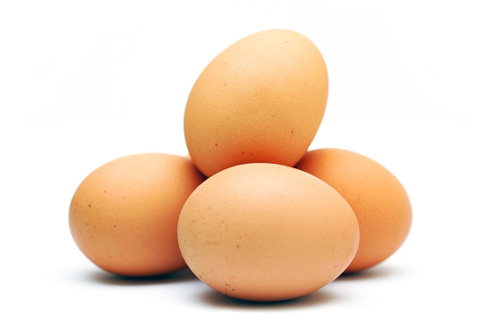
  1. Quick Tip: The word oval originates from the Latin ov or egg. Hence, oval means egg-shaped.
  2. For five minutes, jot down phrases and images that come to mind when you hear the word oval.
  3. Re-read what you’ve written and underline a phrase or sentence that stands out.
  4. Write that phrase on the top of a new sheet of paper.  Write for 15 minutes.

Further Writing

  • Running tracks are oval. Imagine you (or one of your characters) approach one at 6 a.m. on a spring morning. What happens next?  Include outward descriptions and inward thoughts. Write for 20 minutes.
  • Oval Office.
    • Get inside the head of a U.S. president. Imagine what he thinks about when he is alone in the Oval.
    • Write about your favorite fictional U.S. president.

Variation for Writing Groups

Eggs

  1. Bring two eggs (raw, boiled or both) to writing group. Pass them around (gently). Feel the weight of them in your hand. If you are at someone’s home, try cracking one open or peeling one.
  2. Next, for 10 minutes, write down all your associations with eggs.
  3. Read your work out loud.
  4. The person to your left chooses one word or phrase they find inspiring from your writing and uses it as their prompt.
  5. Continue around the circle until everyone has a key word for their prompt.
  6. If you have more than 4 people in your group, pair or triple up to share work and choose a prompt word.

Ovaltine

  1. Stir up a glass of Ovaltine.
  2. Sip and write. Sip and write.


Summer Solstice Ritual

June 21, 2014.  Prompt #51

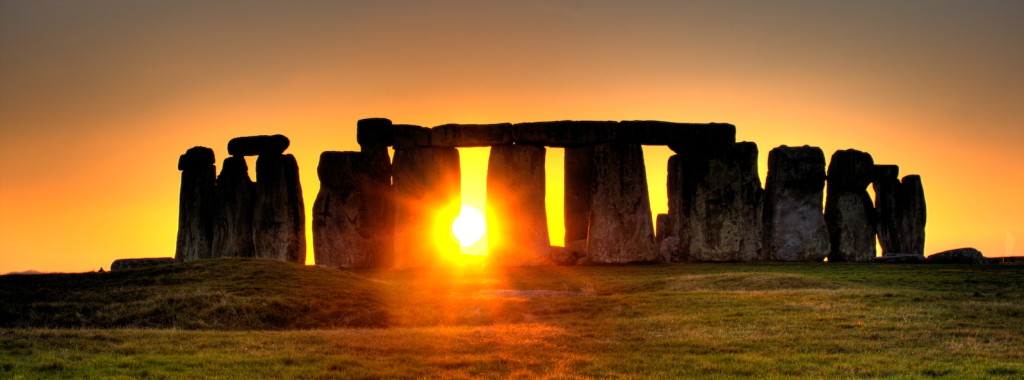
Summer-Solstice-Stonehenge-1024x380After dinner with friends tonight , I marked this longest day of the year with a walk to Wonderland Lake. There, redwings chattered, the foothills reflected themselves in the water, and two mallard chicks paddled behind with their mother. On the path home, I nearly bumped into a mule deer. I like to celebrate the cycles of the year: solstice and equinoxes; full, new and blue moons; lunar and solar eclipses. I revel in a colorful sunrise and sunset.

Instructions

  1. Write about an annual, monthly or even daily ritual that you (or a character) observe.
  2. Your ritual can revolve around a holiday, a seasonal occurrence or something societal, such as the last day of school, the opening of hunting season, or the homecoming football game.
  3. Write for 15 minutes.

Further Writing

  • Write about a very personal ritual, not connected to society as a whole.
  • Invent a ritual for yourself or a character.

Variations for Writing Groups

  1. On separate pieces of paper, each member writes a one-sentence description of a ritual they partake in and a second ritual that is entirely made up.
  2. Place the papers in the middle of the table and read the descriptions out loud.
  3. Guess which rituals are real (that it, one that someone in the group or someone they know actually observes) and which are entirely imaginary.
  4. Choose one description — real or fictional — and expand on it. Add back-story, details, and conflict as needed. Write for 20 minutes.

Looking ahead

Two of next week’s prompts will focus on editing and revision.  To prepare, find a story, poem, or essay to revisit.  You can use a rough draft or a polished piece with which you are willing to experiment.

Go back

Your message has been sent

Warning
Warning
Warning
Warning
Warning

Warning.