Run Away

June 14, 2014.  Prompt #45

WritIMG_0676e about running away.

Instructions

  1. Write about an actual act or a symbolic one.
  2. Write a true story, a fantasy, or a fictional account.
  3. Consider how running away might vary for a child, teenager, or adult.


Further Writing

  • Write a list of 6 things that you (or your character) plan to take with you when you run away. Build this list into your story or essay.
  • Turn your list into a prose poem.

Variation for Writing Groups

  1. On one set of cards, briefly describe a catalyst for running away. It can be serious (spouse abuse or other dangers at home) or lighter (broken vase, forgetting a birthday, boredom at the office).
  2. On a second set of cards, describe a setting (i.e, the bank of creek, a bus station, the sidewalk outside Liquor Mart.)
  3. On a third set of cards, write an exclamatory phrase, such as Not again!  Hot damn!  All Aboard!  or Keep Out!)
  4. Place the cards in separate piles on the table, either face up or face down. Each writer chooses one card from each pile, intentionally or randomly.
  5. Use the exclamatory phrase as your opening line. Incorporate the setting and situation and write from there. Write for 20 minutes.


De-Construction

June 12, 2014.  Prompt #43

photo

photo


Walking with friends along Pearl Street tonight, we came across the demolition of the Daily Camera building, a structure that housed our local newspaper for decades. (It moved east of downtown several years ago.)

For today’s prompt (somewhat the philosophical opposite of yesterday’s prompt) we’ll work with words associated with destruction, rubble, and, perhaps, transformation

Instructions

  1. Choose nine words from this list: wreck, boom, brick, clear, concrete, dust, empty, engine, expose, fence, hard hat, haul, lot, reduce, rubble, shatter, torn, truck, watch, wreck, zone.
  2. Using the nine words and others of your own, write a nine line poem.
  3. Write for 9 minutes.

Further Writing

  • Write about something physical that is gone from your life. Tie it in, perhaps, with an emotional state.
  • Write about an old man or young girl watching a building being torn down. Describe their thoughts, conversations, or reactions. Include descriptions on sounds and the physical atmosphere.

Variation for Writing Groups

  1. Choose one or two of the words from the list which are both noun and verb. Play with those combinations in a short piece. This is a chance to use repetition in a deliberate way. Write for 15 minutes.
  2. Visit a wrecking site. Take notes.  Using your imagination, write about the construction of the building currently being torn down.


Plant

June 11, 2014.  Prompt #42

garden bed

For the last six weeks I’ve been working on my flower bed, vegetable garden, and planters. Spring gardening is annual ritual that is sometimes hectic as I work to get soil turned and amended, seeds and seedlings planted, and everything watered in between bouts of rain and sometimes snow. Mostly, though, it is just plain joyous to get my hands in the soil and start the starts off on their new lives.

For today’s prompt, we’ll work with words associated with plants and planting. May your writing bud and blossom!

Instructions

  1. Choose nine words from this list: bed, beet, bloom, bury, dig, dry, fruit, iris, leaf, peas, pepper, pollen, rain, rock, root, seed, soil, sow, sprout, squash, stem, sun, trim, turn, water, weed, wilt.
  2. Using the nine words and others of your own, write a nine line poem.
  3. Write for 9 minutes.

Further Writing

  • Use the same nine words and write a piece that has nothing to do with gardening. Write for 15 minutes.
  • Choose one of the verbs from the list and use it in a poem or piece of short prose nine times. Vary it at least three times, using different forms of the verb.  For instance, if you choose dig, try using also using digs, digging, dug, or digger. Write for 15 minutes.

Variation for Writing Groups

  1. Choose one or two of the words from the list which are both noun and verb. Play with those combinations in a short piece. This is a chance to use repetition in a deliberate way. Write for 15 minutes.
  2. Choose words from the lists that have more than one definition, such as bed, pepper, or iris. Write a piece that makes use of their multiple meanings.
  3. Read your writing out loud. What do you notice about its rhythm and pacing?


Champs Elysees

June 10, 2014.  Prompt #41

dance4

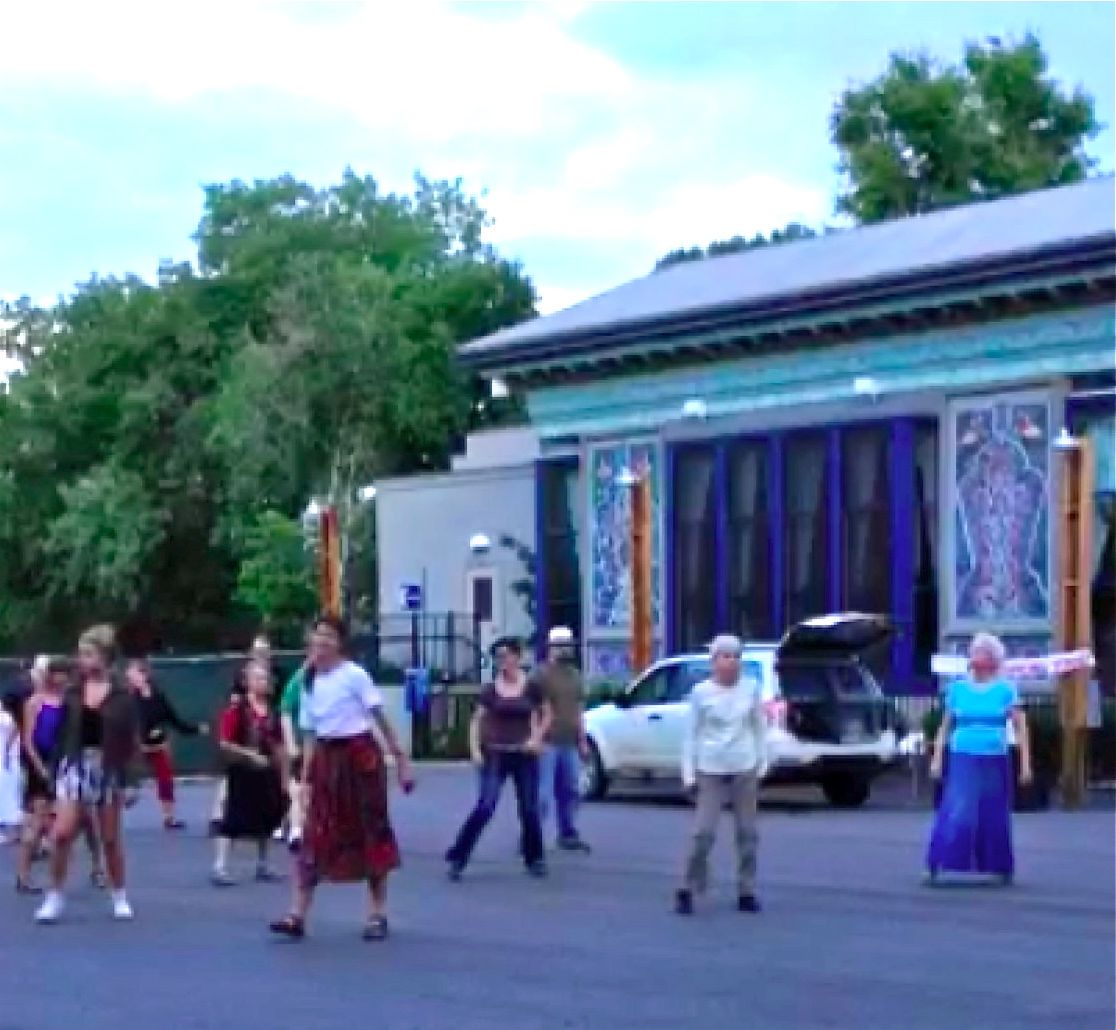
When I left work  tonight, I came across a group of folk dancers in the plaza next to my office. They were learning the “Champs Elysees” line dance. The old-school music, the French lyrics, and the dusky setting combined for an unexpected summer moments: a mix of happiness and wistfulness, connection and separation. Unfortunately, I can’t load the video onto this post, only this screen capture.  (To get some sense of the music, click this link.)


Instructions

  1. Think of (or make up)  a time that you encountered something unexpected. Write about how it changed the moment, the day, or something more for you.
  2. Describe your emotional and physical state before, then during, then after the event.
  3. Write for 15 minutes.

Further Writing

  • Write about participating, either enthusiastically or reluctantly, in a group event such as a folk dance, pick-up basketball game, or religious service. Write for 15 minutes.
  • Write about a summer night when you felt connected to others around or one when you felt far apart. Write for 20 minutes.

Variation for Writing Groups

  1. Write down song lyrics that feel  like a “sound track” of summer and share it with the group. If possible, bring a recording of the song to your writing group.
  2. Share the lyrics or play the song for the group as members write their impressions and associations as they listen to the music.
  3. Repeat the prompt with other songs/lyrics from other group members.
  4. Write for 20 minutes.


Breaking News

telegramJune 9, 2014.  Prompt #40

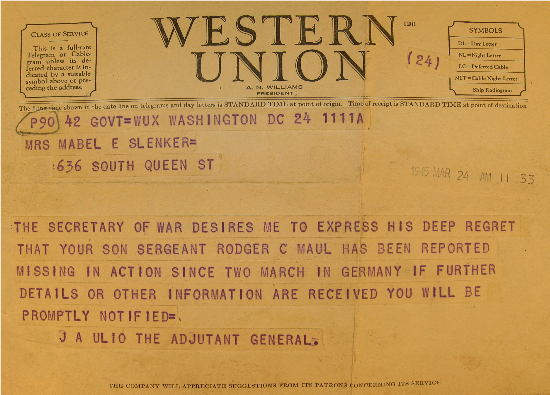
I just finished binge watching marathon viewing four seasons of Downtown Abbey. The very first episode opens with a close-up of a telegraph in motion, complete with taps and beeps as the operator sends a message. The telegraph not only grounds the story in history (in this case, 1912) but also conveys the urgency of the news being sent.

Instructions

  1. Write a piece that begins with the delivery of news.
  2. Start with an object of communication, for instance, a television, computer, or newspaper. You could choose a newer form of communication, such as an email, text, or Skype call, or one from the past—a telegram, letter on the Pony Express, or a phone call on a party line.
  3. Next, choose a message to be delivered. What does the message say? Who sends it? Who receives it? Who announces it? Who hears it?
  4. What happens next?

Further Writing

  • If you wrote about bad news, write a second version with good news or ambiguous news. If you wrote about good news, try making it disturbing or unclear. What is the effect on the tension, tone, or pacing of your piece?
  • Slow down the action. Record in detail the moment that the news is received. Describe in detail in the surroundings, the sounds, the smells and the textures.

Variation for Writing Groups

  1. On an index card, write two messages in the style of a telegram: clear and concise.
  2. Place the cards in the middle of the table. Either deliberately or at random, choose one and write in response to it. Write for 20 minutes.


Creating Atmosphere (part 2)

May 11, 2014  Prompt #10

DSCN5024Using yesterday’s exercise, choose one of the situations below and fit it into the setting you have created. Feel free, as always to change pronouns, adjective and details in the examples. Write for 15 minutes.

  • A  man is searching for something.
  • A young child is humming to herself.
  •  Two exhausted people arguing.
  •  A grandmother is teaching something to her grandson.

 Suggestions

  • Consider how the action relates to the setting. Can the setting relay information to the reader beyond spoken words? For instance, if a man is searching in a dark attic, how does the lack of light affect him? What if he’s searching on the driveway under a hot sun?
  •  As always, include sensory details. Let the reader know about sounds, odors, and textures.

How This Prompt Can Strengthen Your Writing

  • Provides practice connecting action, setting, and dialogue so they serve each other.
  • Pushes you to create a specific and vibrant place, drawing your reader in.

 Further Writing

  • Switch things up. If it’s a clear dawn, what happens if rain clouds move in?
  • Add another person to the mix. Does this ease or add tension?
  • If you have dialogue, be sure to blend it with action. If it’s hot and bright on the driveway, does a character drip with sweat? Put on sunglasses? Take off his shirt? Drink iced coffee?

Variations for Writing Groups

  1. On index cards, write down scenarios other than those listed above. Members choose a scenario and write for 15 minutes.
  2. After members share their work, each member notes a phrase or word that struck them as they listened.  Choose one of those phrases and write it on  top of a fresh sheet of paper. Write in response to it for 15 more minutes.

Creating Atmosphere

May 10, 2014  Prompt #9

IMG_0983Here’s one of my favorite kids/science nerd jokes:

Q. Why did the restaurant on the moon go out of business?
A. Because it had no atmosphere!

Like a good restaurant, good writing needs atmosphere, which I loosely define as the mood, tone, or feel of the piece. What contributes to a work’s atmosphere? At least four elements (I’m sure there are more) including word choice, writing style, details and, what we’ll focus on here, setting.

Imagine, for instance, the same conversation in a noisy Chicago diner, a near-empty, small-town Laundromat, or inside a rattling blue truck on a foggy rural road. How would these different settings reinforce the conversation or play counterpoint to it?

Instructions 

For this two-part writing exercise (more tomorrow), choose a location from the first list and a quality of light from the second list. If none of these choices inspire you, make up your own.

Location: kitchen • basement • attic • bedroom • den • sun room • living room • baby’s room • patio • driveway • hallway • laundry room

Quality of Light: dim • dusk • dark • filtered • blazing sun • gloomy • warm • cold • dawn • partly cloudy • glaring

With your location and quality of light chosen (for instance, dawn on the driveway), write your phrase on a fresh piece of paper. Write for 10 minutes, setting the physical scene.

Tips for Creating a Memorable Setting

  1. Include specifics. Is a car parked on the driveway? Does a child’s bike lie on its side? Has a recent rain washed away half a chalk drawing? Is there a long crack in the drive, always meant to be repaired?
  2. Include sensory details. What color is the sky? Is the driveway  cool or hot? Do blooming lilacs scent the air? Or is it the smell of garage, not picked up for weeks.
  3. How does your location and quality of light work together to set the tone?
  4. Don’t include characters, actions or dialogue yet. Focus on the setting the mood.

How This Prompt Can Strengthen Your Writing

  • Encourages you to observe and imagine as you combine elements.
  • Creating a strong setting adds complexity and layers to your writing.

Further Writing and Considerations

  1. Choose a different location and quality of light.
  2. Choose the same location, but a different quality of light.
  3. Choose the same quality of light, but a different location.
  4. Does the style of your writing change depending upon the setting your choose?

Variations for Writing Groups

  1. On index cards, each member writes down a location and kind of light. Or choose another variable, such as time of day, season, or weather. (Just don’t start with “It was a dark and stormy night.”)
  2. Put the index cards in two piles.
  3. Each member chooses one card from each pile and writes for 15 minutes.
  4. If possible, have members share their work. Listen for a sentence or phrase that impressed or puzzled you. Write it on the top of a fresh sheet of paper.
  5. Write in response to it for 15 more minutes.