Inspiration Online [Part II]

Agnes Long Fox [Sioux, 1914-1984]

Agnes Long Fox [Sioux, 1914-1984]


June 6, 2014.  Prompt #37

Today we build on yesterday’s visit to the Smithsonian’s image gallery If you haven’t read my June 5th post, do that now. Today’s prompts build on yesterday’s images.


Further Writing

  • Project yourself into the image you are viewing. Write for 10 minutes. Does this change your point of view or what you write about?
  • For ten minutes, write a visual account of the image, noting details and relationships between the parts of the painting, print, or photo. Did you notice anything new?

Variations for Writing Groups

  1. Print out your image or be sure you’ll be able to bring it up on a laptop or tablet.
  2. Looking at your image, use your imagination to answer these questions. What sounds do you hear or associate with the image? What smells?  Propel yourself into the image, then “touch” part of it.  What textures and temperatures do you feel? Is there anything in it you could taste? If so, describe it. If the image is abstract, this is an especially good opportunity to flex your creative muscle.
  3. Go together to a museum or gallery. Plant yourself in front of an artwork and write for 20 minutes. Note: Get permission from guards or gallery owners first. They might ask you to write in pencil or have other requirements.
Uniform Writing

ice womenMay 31, 2014  Prompt #31

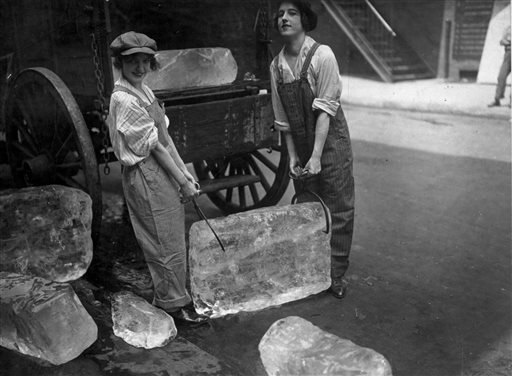
To wrap up Clothing Week, today’s prompt is short and sweet:  Write about work clothes.  Your work clothes might be an actual uniform or simply what you wear when it’s time to earn a living or get the job done. If you need more structure, refer to the prompts from earlier this week. The guidelines and suggestions are largely transferable.

Have fun and get to work!


The Task At Hand

basement artist

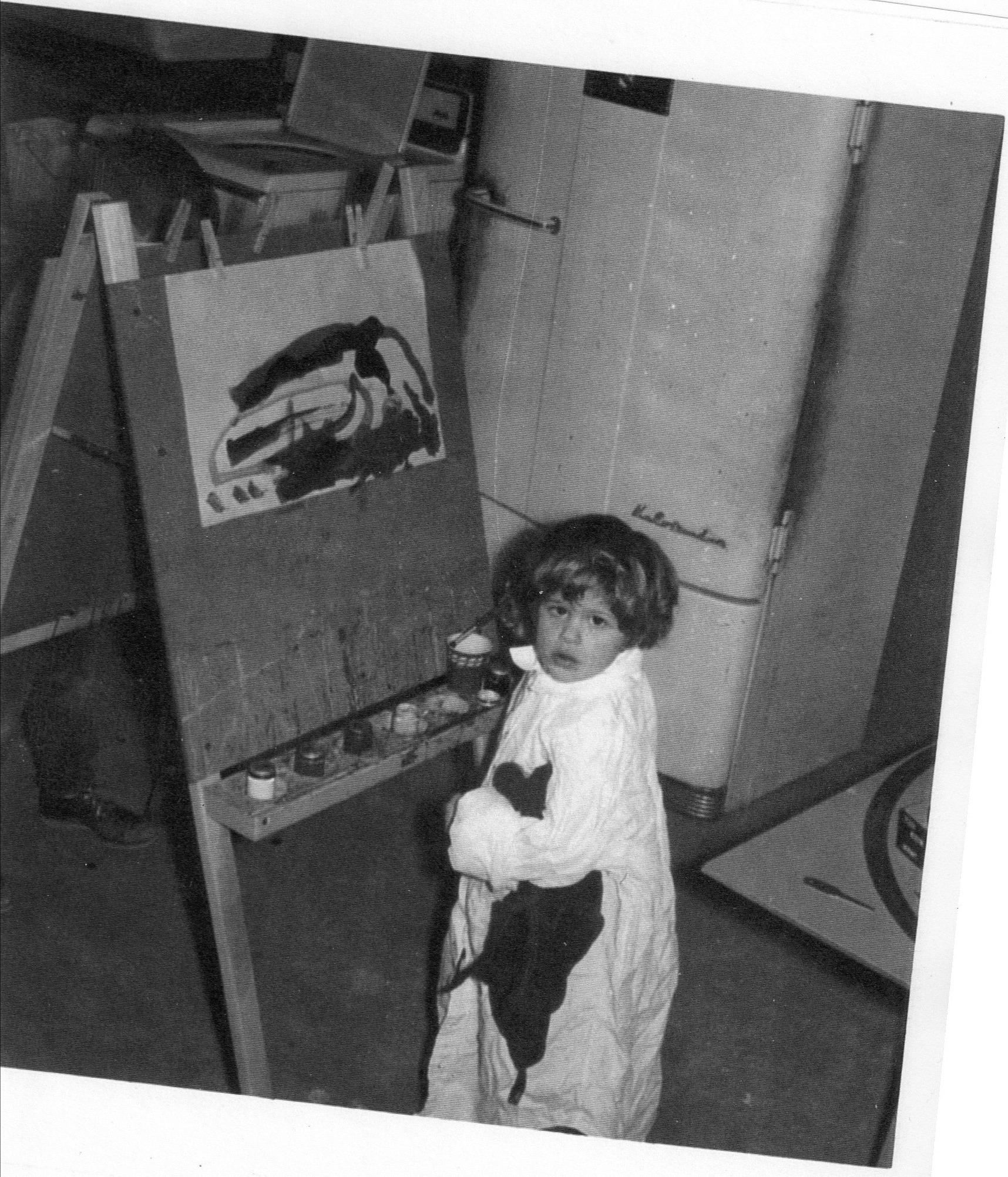
Here’s 6-year-old me in a BIG smock provided by longtime family friend Helene Hemmendinger. Eric H. is working the other side of the easel.

May 30, 2014  Prompt #30

Do you have a favorite item of clothing that you wear for a particular task? A gardening shirt, a well-loved apron, a pair of road trip blue jeans?  This item of clothing will be your touchstone for the following prompts. If you don’t have a particular garment that fits this description, choose something that is meaningful to you in another way.

Ann Brashares wrote an entire series of books that revolved around a pair of blue jeans — The Sisterhood of the Traveling Pants. Of course, the books are not really about the pants; they are about friendship, loyalty, and growing up.  What larger themes will emerge from your writing?


Instructions

  1. For five minutes, write a physical description of your clothing choice. Describe its style, fabric, and color. Does it have tears or stains? Where and when did you acquire it?
  2. Put on the item of clothing. Do you feel connected to the task for which you generally wear it? (Time to bake raisin oatmeal cookies! Time to weed around the stoop or feed the horses!) Write about your connection to the piece of clothing, how it came to be your painting, hiking, or “clean the gutter” garment. Write for 15 minutes.

Further Writing

  • Write about someone else’s “go-to” clothes. For instance, my father had a pair of frayed blue shorts he gardened in for twenty years, until my mother decided they so worn-thin they were “obscene.”  She tossed them.

Variations for Writing Groups

  1. Each member brings in a piece of clothing they associate with a particular use.  For a few minutes each, talk about your clothing choice with the group.
  2. Next, for 15 minutes, write about how you feel when you wear it.
  3. Fictional turn: write about someone who panics when they cannot find a specific piece of clothing. Can they not go out on a date because they can’t find their green high-tops? Do they give up on working in their studio because their perfectly worn, perfectly paint-splattered Oxford shirt is missing?

What did you think of this writing prompt? Share your thoughts.

Go back

Your message has been sent

Warning
Warning
Warning
Warning
Warning

Warning.

A Tip of the Hat

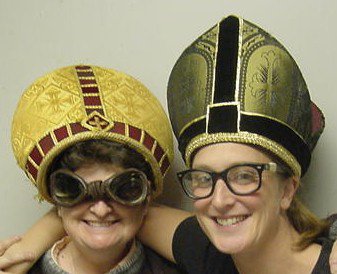
Me and my pal Magic goofing around with hats at the costume shop at the University of Colorado many years ago.

Me and my pal Magic goofing around at the costume shop at the University of Colorado many years ago.

May 28, 2014  Prompt #28

Bonnets, boaters, and bowlers. Berets and beanies. Sombreros. Stetson’s. Stovepipes. Fedoras. Fezzes. Fisherman’s caps. Coal miner helmets. Army helmets. Bike helmets.

Yes, today’s prompt is all about hats.  With their long and rich history, writing about hats can enrich characterization, provoke memories, and, again, ground your writing with specific, sensory details. Hat’s off and let’s go!

Instructions

  1. Choose a hat–yours or someone else’s–for this exercise. While it is best to have a physical hat to hold and feel, you can, alternately, look at headgear on Wikipedia or check out The Hat Blog for inspiration.
  2. Have your hat? For five minutes, write a physical and factual description of  its style, color, and condition. Write briefly about where, when and how you acquired it. If you are looking of a photo of the hat, you can imagine its history .
  3. Next, write the psychological and emotional history of the hat. Do you put it on for practical or stylish reasons? How do you feel wearing it? Do you associate the hat with a person, place, or stage of your life?  Tell your story.

Further Writing

  • Write a poem about your hat. Capture a small slice of time or a specific emotion associated with the hat. Include two or more of these words: mirror, door, sun, eyes, breeze, sturdy, light, other, tilt.
  • Write about trying on the hat of someone who has died.
  • Write about someone who is incomplete without their hat. Tell us how it transforms them.

Variations for Writing Groups

  1. Each member brings one or two hats to writing group. Take turns trying them on and snapping photos of each other with a digital camera. Choose one of the photos as your springboard and write from there.
  2. You are walking on a beach, on a city sidewalk, or in an open meadow. A stiff wind blows a hat your way and it lands two feet in front of you.  What do you do (0r what does your character do?)? Include sensory details, such as texture, temperature, and sounds.

What did you think of this writing prompt? Share your thoughts.

Go back

Your message has been sent

Warning
Warning
Warning
Warning
Warning

Warning.

Outer Wraps

Marilyn Kestenbaum with well-wrapped family.

May 28, 2014  Prompt #28

Today, we turn to jackets and coats. What can we learn from writing about blazers, parkas, windbreakers, and leather jackets? From topcoats, overcoats, pea coats, and trench coats?

Coats can be metaphors for protection and for burden, helping ground your writing with tangible details.


Instructions

  1. Choose a coat from your closet.  For five minutes, write a physical description of it. Describe its style, fabric, color, and condition. Does it have a scent? Is it a dress coat? An everyday coat? Where, when and how did you acquire it?
  2. Put the coat on. How does it fit? (If it is too hot to be wearing this coat, try to recall what it feels like to put it on in the winter or fall.) Is it loose or tight? Does it itch? What sounds do you hear when you zip, snap, or button?  Write about this for five more minutes.
  3. Next, mixing in the descriptions above, write about your connection with the coat. How do you feel wearing it? Stylish? Protected? Constricted? Where have you worn it to? Do you associate the coat with a person, place, or stage of your life?  Tell your story.

Further Writing

  • Write about your coat from another point of view. Imagine  you gave this coat away and someone bought it at a thrift store. Tell their story.
  • Find a photo of you, someone you know, or a stranger wearing a coat. Write a poem or micro-fiction about this person.

Variations for Writing Groups

  1. Take a field trip to a vintage clothing store or a thrift shop.  Try on coats. Take notes about the fit, the fabric, the style.
  2. Take photos. Write about the experience from your own point of view or from the perspective of a fictional character.

What did you think of this writing prompt? Share your thoughts.

Go back

Your message has been sent

Warning
Warning
Warning
Warning
Warning

Warning.

To A “T” [or Don’t Sweat It]

1925031_10202634790422849_1722480863_n_2

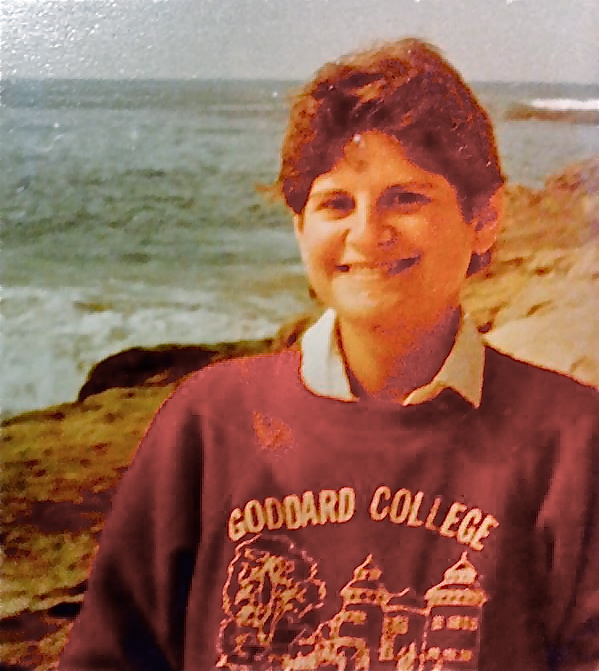
Here’s me wearing my brother Bill’s Goddard Sweatshirt in the late 1970’s. Twenty years later, I’d choose Goddard for my M.F.A in Writing Program.

May 27, 2014  Prompt #27

It’s Day Two of The Writeous Sisters’ Clothing Week.  Today’s prompt can help you ground your writing with specific, sensory details and make stronger connections between the physical and philosophical.

Inspriational Attire

The weather is warming up here in Colorado and I’m finally switching out my fleece and wool for cotton. Because I live in a small house, I store bins of off-season clothes in my garage and swap them out twice a year.  It’s become a seasonal ritual, a time to contemplate the passage of time and cycles of life. It’s also a practical opportunity to donate or recycle clothes that are worn out or that I rarely wear.  The clothes  I have the hardest time parting with, even when they are stained or frayed, are T-shirts. So many of them are associated with a specific time or place in my life.

Instructions

  1. Choose a well-loved T-shirt or sweatshirt with a logo, image, or text on it. Or, find a photo of you wearing a favorite T-shirt. Conversely, you can choose one that you dislike or feel ambivalent about but still have kept.
  2. For five minutes, write a physical and factual description of the shirt. Describe its style, color, and condition. Where, when and how did you acquire it?
  3. Next, write the psychological and emotional history of the shirt. How do you feel wearing it? Proud, hardworking, part of a team? Nostalgic or bittersweet? Do you associate the shirt with a person, place, or stage of your life?  Tell your story.

Further Writing

  • If you are currently working on a novel, consider how clothing factors into it. Do any of the characters wear T-shirts? Can you deepen characterization by including one?
  • Write about a child who outgrows a favorite T-shirt.

Variations for Writing Groups

  1. Each member brings in one or two T-shirts. You can write about the shirt you brought or someone else’s.
  2. Imagine discovering this T-shirt in a box of old beach towels after not seeing it for 10 or 20 years. Write for 20 minutes. Considerations: Is the T-shirt yours or someone else’s? Where did you last see it? How does it smell? Do you try it on?

What did you think of this writing prompt? Share your thoughts.

Go back

Your message has been sent

Warning
Warning
Warning
Warning
Warning

Warning.

A Pair of Shoes

red reeboksMay 26, 2014  Prompt #26

It’s Clothing Week here at The Writeous Sisters.  All the prompts will help you connect the physical with the abstract and delve into the story of objects everywhere.

Well-Shod

Last year, the University of Colorado’s Museum of Natural History hosted “To Feel The Earth,” an exhibit about the history and tradition of moccasins among the indigenous peoples of the American Southwest. I was moved to learn about the spiritual connection that comes from feeling  soil, rocks, and grasses through the soles of our shoes. Similarly, phrases like “walk a mile in another man’s shoes” and “boots on the ground” speak the the power and symbol of shoes.

Instructions

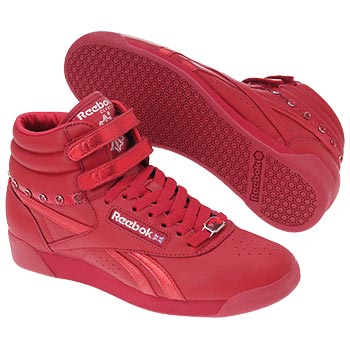
  1. Choose a pair of shoes that you currently own or that you remember vividly.
  2. For five minutes, write down the facts of these shoes. Describe their style and color. Did you buy them new? Find them a thrift store? Did someone give them to you? When did you begin wearing them? Are they worn or still look like new?
  3. Next, write their (and your) story.  How did you feel wearing them? Athletic, stylish, sexy, competent, ashamed? Do you associate a particular person, place, or stage of your life with them?  Do you polish them? Have you thread in new laces? Did you ever get them repaired? Do you still own them? Did you outgrow them or give them away?

Further Writing

  • In poetry or micro fiction, write about strapping on or lacing up for a memorable outing in the shoes. Keep your descriptions and narrative tight.
  • As today is Memorial Day, write about a pair of Army boots.

Variations for Writing Groups

  1. Each member brings in two pairs of shoes (or photos of shoes).
  2. Each member writes descriptions of people written on separate index cards. (For instance, “Ten-year old girl, raised in Chicago, visiting New Hampshire for the first time.” “Middle-aged woman returning to an office job after 10 years working at home.”  “Wyoming car mechanic, getting ready for a date, two years after his wife has died.)
  3. Match up people with shoes. Write for 20 minutes.

See the following post “Twelve Black Shoes” for my shoe story.

What did you think of this writing prompt? Share your thoughts.

Go back

Your message has been sent

Warning
Warning
Warning
Warning
Warning

Warning.

Precipitation [Part Two]

May 24, 2014  Prompt #24

Photo


Twenty-four hours later and, again, it’s raining.

Good reason to expand on yesterday’s prompt.

If you haven’t read it already, do that first, then try these variations.


Further Writing

  • Apply personification (the assignment of human attributes to objects, abstract notions, or, in this case, weather) to a rain storm. Describe a storm, drizzle, or intermittent rain in terms of anger, generosity, fickleness or another human condition.  This option lends itself well to poetry and flash fiction. Write for 10 minutes.
  •  Write about someone waiting  rain. Describe the person’s actions without dialogue or conversation.

Variations for Writing Groups

  1. On separate index cards, each member writes down two emotions or feelings, such as frustration, joy, relief, trepidation, boredom, etc.,
  2. On a second set of cards, write down words associated with rain, such as thunder claps, puddles, windshield wipers, boots, rain jacket, flood, soaked, partly cloudy, etc.
  3. Keep the words in separate piles, face down so you can’t see the words written on them.
  4. Each member chooses one word from each pile and, from there, writes for 15 minutes. Unlikely pairings often make for the best writing, so resist the temptation to choose different words if yours seem unwieldy.

What did you think of this writing prompt? Share your thoughts.

Go back

Your message has been sent

Warning
Warning
Warning
Warning
Warning

Warning.


Precipitation

May 23, 2014  Prompt #23

PhotoLast night, I saw Venus in Fur at Denver’s Curious Theater. As an accompaniment to the show’s vigorous, changeable dialogue, the production included a thunderstorm. As I write this, back in Boulder, we’re having real live downpour, complete with rumbling thunder and flashbulb-style lightning.  All this to say: Rain is on my mind. Its tension and variability (from mist to an out-and-out thunderstorm) can enrich your writing. Yes, if mishandled, it can become a cliche, but with practice, rain (and other weather events) can skillfully drive action or accentuate tone.

Instructions

  1. Describe a light drizzle, steady downpour,  late afternoon thunderstorm, or another kind of rain. Be sure to include sensory details, such as sound and smell, as well as the setting.  (Rain in a city or desert is different than rain on a beach or against a farm house.) Write for 10 minutes.
  2. Next, write a conversation that includes either a) someone making a difficult request of someone else  or b) two or three people arguing about something minor as a way to avoid a larger issue or conflict.  Write for 10 minutes.
  3. Next (you guessed it), combine the two. Feel free to adjust the dialogue or the rain to better fit each other. Write for 15 minutes.

A Few Thoughts

  1. How does the pace, intensity, and style of rain magnify or delineate the conversation?
  2. Does the rain stop and start? How does that effect the action?
  3. How do your characters react to the rain? Do they hide under trees, shut windows, place pots and pans to collect drips?

Tomorrow: Further Writing and Variations for Writing Groups

What did you think of this writing prompt? Share your thoughts.

Go back

Your message has been sent

Warning
Warning
Warning
Warning
Warning

Warning.


Sensory Weekend: Rolling Up Your Sleeves

May 18, 2014  Prompt #17

urban-wall-crack-remove


Today features a short prompt: less background, no further writing or writing group variations. Enjoy getting your hands dirty.


Instructions

Describe an action below. Include at least four different senses.  Write for 15 minutes.

  • Digging a hole.
  • Shucking six ears of corn.
  • Plastering cracks in a wall.
  • Building a ceramic vase out of clay.
  • Handwashing a wool sweater in a tub of water.


What did you think of this writing prompt? Share your thoughts.

Go back

Your message has been sent

Warning
Warning
Warning
Warning
Warning

Warning.